

Replace missing teeth with a natural-looking solution
What are Dental Implants
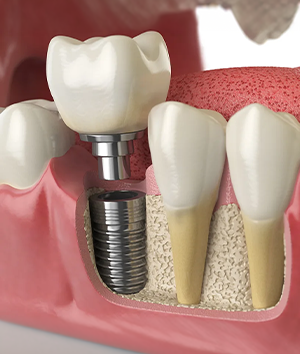
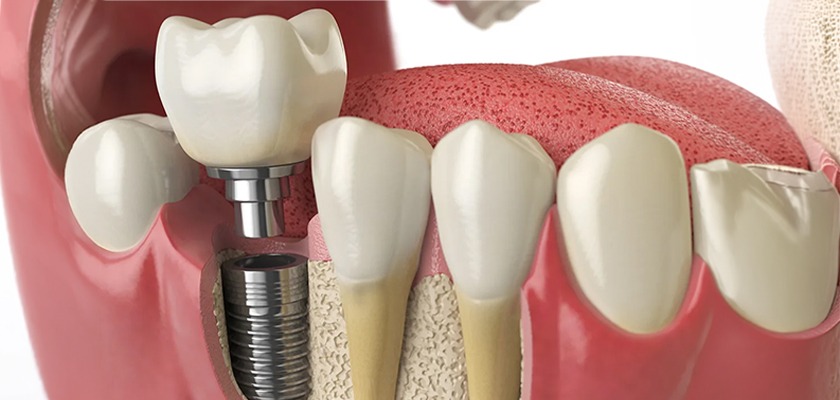
Think of a dental implant as a high-tech “replacement root” for a missing tooth. It is a small, sturdy post made of a safe material (like titanium) that is placed into your jawbone. Over time, your bone grows around it, making it as strong as a natural tooth. On top of this post, we place a custom-made crown that looks and feels just like the tooth you lost.
Why Choose Dentaire for Dental Implants
At Dentaire, we combine surgical precision with advanced digital diagnostics to ensure long-term success for every implant procedure.
- Premium Implant Systems: We exclusively utilize globally recognized, research-backed systems such as Nobel Biocare and Dio, ensuring our patients receive components known for superior durability and integration.
- Digital Precision: By utilizing our intraoral scanners, we eliminate the guesswork of traditional impressions. This allows for highly accurate 3D surgical planning and perfectly contoured restorations.
- Comprehensive Oral Surgery: Our expertise extends to complex cases. We provide specialized bone grafting and sinus lift procedures to rebuild bone structure, making implants a reality for patients who were previously told they lacked sufficient support.
- Immediate Loading Solutions: For qualifying cases, we offer “Immediate Loading” protocols, allowing patients to leave our clinic with functional temporary teeth on the same day as their surgery.
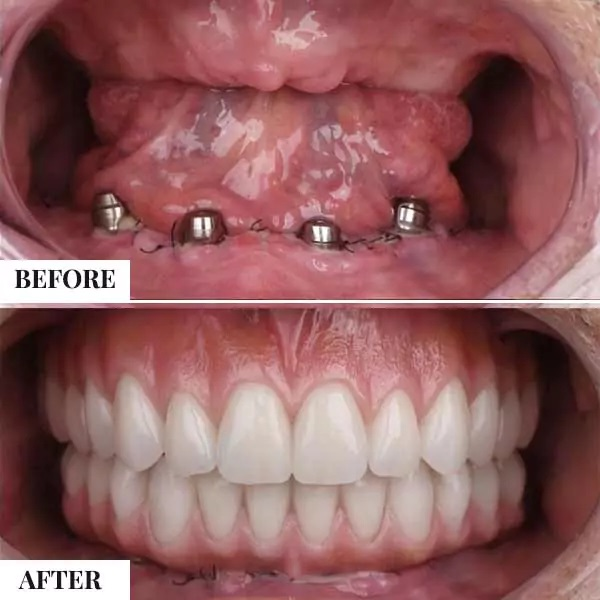
- Solutions for Everyone: Whether you need one tooth replaced or a full set (using All-on-4 or All-on-6 techniques), we have a plan for you.
What Do They Help With
Dental implants are a versatile solution for a variety of restorative needs:
- Single Tooth Replacement: Replacing a single missing tooth without affecting the health of adjacent teeth.
- Multiple Teeth Restoration: Supporting bridges or partial rows of teeth when several are missing in a sequence.
- Full Arch Rehabilitation: Utilizing All-on-4 or All-on-6 protocols to provide a fixed, non-removable set of teeth for patients missing all teeth in the upper or lower jaw.
- Facial Structure Preservation: Preventing the “sunken” facial appearance that often follows bone loss after tooth extraction
Benefits of Dental Implants
- Lifelong Durability: With proper clinical placement and home care, your implants can last for the rest of your life.
- Natural Aesthetics:The final crown matches the color and shape of your natural teeth perfectly.
- Improved Oral Health: Implants do not require the grinding down of healthy neighboring teeth, preserving your natural dental structure.
- Restored Confidence: Because they are anchored into the bone, unlike dentures, there is no risk of slipping, clicking, or discomfort while speaking or eating.
Advantages Over T raditional Bridges or Dentures
While bridges and dentures have been standard treatments for years, dental implants offer several clinical advantages:
- Bone Preservation: Bridges and dentures don’t stop bone loss, but implants stimulate the jawbone, preventing the bone resorption (shrinking) that naturally occurs after tooth loss.
- Stability: Dentures can often shift or require messy adhesives; implants remain fixed and feel indistinguishable from natural teeth.
- Longevity: A dental bridge typically needs replacement every 7 to 10 years, whereas an implant is a one-time investment in your health.
- Maintenance: Implants are cleaned exactly like natural teeth, You brush and floss an implant just like a normal tooth requiring no special soaking solutions or removal at night.
FAQs
The procedure is performed under local anesthesia, and most patients report less discomfort than a standard tooth extraction. Our digital planning ensures the surgery is as minimally invasive as possible.
While “Immediate Loading” is possible for some, the traditional process usually takes 3 to 6 months to allow the bone to fully bond with the implant before the final permanent crown is attached.
Yes, in many cases. With our ability to perform bone grafts and sinus lifts, we can often create the necessary foundation to support an implant even in areas of significant bone loss.
Care for them just as you would your natural teeth: twice-daily brushing, daily flossing, and regular professional cleanings at Dentaire to monitor the health of the surrounding gum tissue.
